Home Termite Treatment for Hammonton Homeowners
Request your termite estimate
Termites can feed inside walls, floors and framing for a long time before anyone notices. Mud tubes, hollow-sounding wood and shed wings are common clues. If you spot one, slow down and document it. Mustparticipants Pest Control helps you do that, then connects you with independent providers in the Hammonton area who can inspect your home and give you a quote.
Home termite treatment is done by the provider, not by Mustparticipants Pest Control. Methods vary by termite type and by how your house is built. Older homes with full basements and block or stone foundations often need a careful look at the wood closest to the ground. Gather photos, notes and records first. Then request an estimate with no obligation, and compare written quotes at your own pace. Keep one records folder for everything you collect.
Signs of Termites? Start Here
Stay calm. Termites work slowly, so you have time to do this right. A few careful steps now make every estimate clearer.
First, leave the area alone. Spraying store-bought products or ripping out wood can scatter the insects and hide the evidence.
Your First-Hour Checklist
1. Stop and look. Note what you saw: wings, mud tubes, soft wood or tiny pellets. 2. Take photos. Start wide, then go close. Place a coin next to the spot for scale. 3. Write down the date, the room and the exact location. 4. Start a records folder on your phone or on paper. 5. Request an estimate from a provider in our network.
Why Termites Need Prompt Attention
Termites eat wood from the inside out. The surface can look fine while the beam underneath is thin. That is why a quick inspection matters.
Damage Builds Quietly
A small colony can cause harm for months before you notice. Acting early often keeps repairs smaller and treatment choices wider.
Waiting Narrows Your Options
The longer damage spreads, the more wood may need replacing. A dated photo trail also shows providers how fast things are changing.
Know the Warning Signs
Use this list as you walk through the house.
Signs Inside the Home
- Mud-colored tubes along walls or joists
- Wood that sounds hollow when tapped
- Paint that bubbles or looks water-damaged
- Doors or windows that suddenly stick
- Piles of tiny pellets near baseboards
- Discarded wings on sills
Signs in the Basement and Outside
Check where wood meets the foundation. Look at sill plates, floor joists and porch posts. Stone and block foundations have many small gaps, so look closely at every joint. Photograph anything odd, even if you are unsure.
Swarmers or Flying Ants?
Termite swarmers have straight antennae, a thick waist and two wings of equal length. Flying ants have bent antennae and a pinched waist. Save a few in a jar or on clear tape for the provider.
Types of Termites
The type affects the treatment plan, so providers will want to identify it.
Subterranean Termites
These live in soil and build mud tubes to reach wood. They are the usual concern in colder regions.
Drywood Termites
These live inside the wood itself and leave small pellets. They are more common in warm areas.
Dampwood Termites
These favor wet, rotting wood. Leaks and poor drainage invite them.
Why Older Homes and Winter Weather Matter
Freeze-thaw cycles can open tiny cracks in foundations. Spring snowmelt and coastal storms add moisture near the wood. Termites like damp, hidden spots.
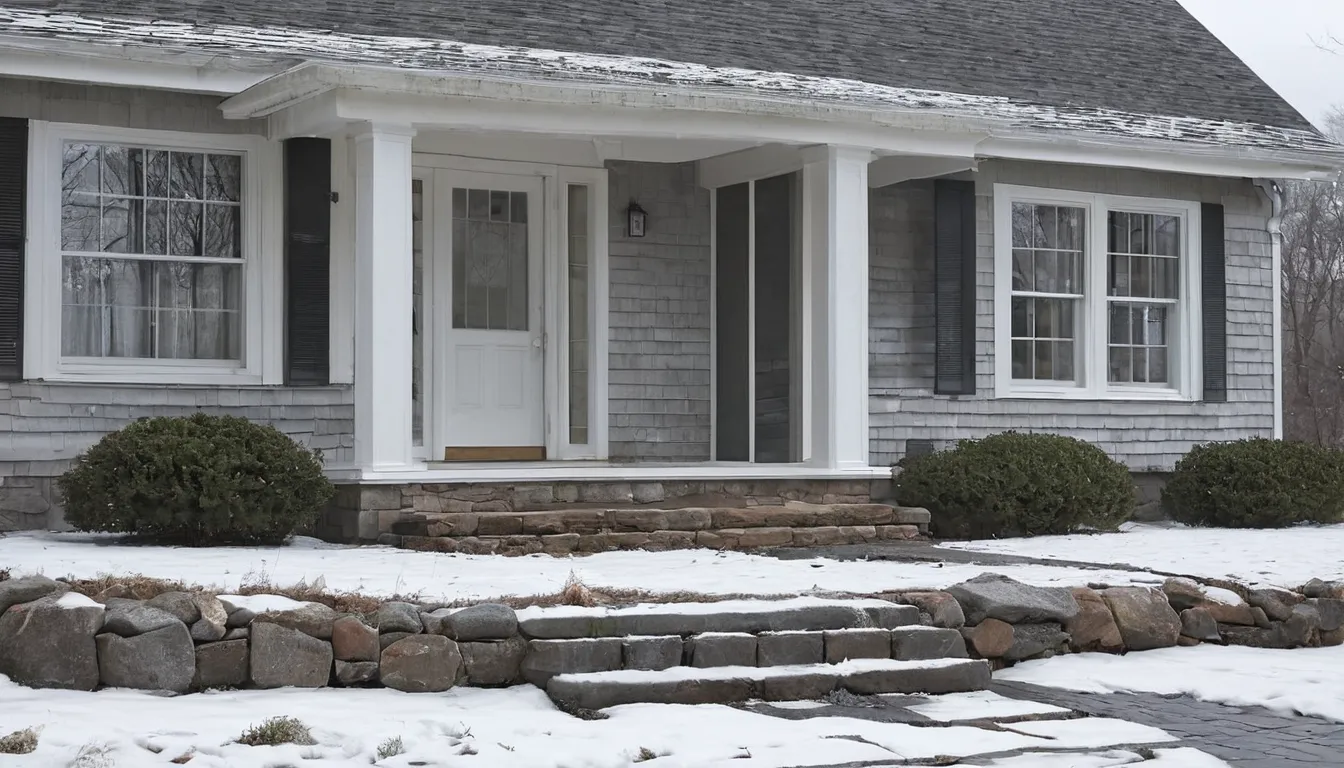
Cape Cod style homes and multi-family buildings add another layer. Shared walls and crawl spaces can let a problem travel. If you live in a multi-family building, tell neighbors or the property manager so every unit gets checked.
Build Your Paperwork Folder
Notes make quotes easier. Keep these items together:
- Dated photos of every sign
- A short log of what you saw and when
- Any past treatment records or warranty papers
- A rough sketch of the home with problem spots marked
- Written estimates, once you have them
Some policies may cover sudden damage, but many treat termite damage as a maintenance issue. Check your policy. Providers can often help document damage for a claim.
How Termite Treatment Works
The provider does the work. Here is the usual order.
1. Inspection
The provider checks the foundation, basement, attic and outside wood. Ask for findings in writing.
2. Treatment Plan
You get a proposed method, the areas covered and the price. Compare it against your own notes.
3. Treatment
Common methods include liquid barriers in the soil, bait stations, spot treatment of infested wood, and tent fumigation for some drywood cases.
4. Follow-Up
Many plans include a recheck visit or yearly monitoring. Confirm the terms before you agree.
Termite Inspections for Home Sales
Buyers and lenders may ask for a termite report. If you are selling, get the inspection done early. A clean report helps. A report with findings gives you time to treat and keep the paperwork. Buying? Ask to see past treatment records.
Request a callback to check provider availability for an inspection.
Choosing a Termite Provider
Ask every provider the same questions:
- Can I see the estimate in writing?
- Which method do you suggest, and why?
- What does the warranty or renewal cover?
- What happens if termites return?
- Can you share your license and insurance details?
A short list of identical questions makes quotes easy to compare.
After Treatment
First, file all paperwork in your records folder. Next, schedule any follow-up visits. Then reduce what attracts termites:
- Keep firewood and lumber away from the house
- Fix leaks and keep gutters clear
- Direct water away from the foundation
- Keep soil from touching siding or wood trim
Photograph the home once a season. Compare the pictures year to year.
Ready for the Next Step
You have your photos, notes and records. Now put them to use.
What's Included
Inspection Review
A provider checks the foundation, basement, attic and outside wood, then explains what they found.
Written Plan
Get the method, covered areas and price on paper before agreeing.
Treatment Options
Barriers, bait stations, spot work or fumigation, chosen by termite type and home layout.
Follow-Up Visits
Many plans include rechecks or yearly monitoring. Confirm the terms in writing.
Typical Termite Treatment Costs
Prices vary by home size, termite type, method and local rates. These are typical U.S. ranges only. Always get a written quote before you agree to work.
| Item | Typical range | Notes |
|---|---|---|
| Termite inspection | $75 – $300 | Some providers fold it into a treatment quote |
| Liquid soil barrier | $1,000 – $3,500 | Depends on linear feet around the home |
| Bait station system | $1,500 – $3,500 | Monitoring fees may apply |
| Spot or wood treatment | $250 – $900 | For small, confined areas |
| Tent fumigation | $1,200 – $4,000 | Mostly for drywood termites |
| Yearly monitoring plan | $100 – $400 | Terms and coverage differ |
How It Works
Look and Photograph
Note the signs, take wide and close photos, and write the date and location.
Request Estimates
Send your details through the form to reach local providers.
Compare Quotes
Line up methods, prices and warranty terms from each written estimate.
Schedule and Record
Pick a provider, then file every document in your folder.
Why Call Mustparticipants Pest Control
Photos Before Phone Calls
Clear, dated photos help providers judge the problem and give a more accurate estimate.
Independent Providers
Providers in our network are separate businesses. You compare quotes and decide with no obligation.
Clear Records
One folder holds photos, notes and quotes, which helps with sales and claims.
Calm Guidance
Simple steps keep a stressful discovery manageable.
Other Services
Need home termite treatment in Hammonton?
Send a request with your photos and notes. A local provider in our network can follow up with an estimate. There is no obligation to hire.
No obligationHome Termite Treatment FAQ
How do I know if I have termites or carpenter ants?
Termites leave mud tubes and fine pellets, and their wood damage looks layered and packed with soil. Carpenter ants leave smooth tunnels and sawdust piles. Photos help a provider tell them apart.
Can I treat termites myself?
Store-bought products rarely reach a hidden colony and can scatter it. Most homeowners are better served by a provider's inspection and a written plan. Document what you see first, then request an estimate.
Does homeowners insurance cover termite damage?
Many policies treat termite damage as a maintenance issue, though some may cover sudden damage. Check your policy. Providers can often help document damage for a claim.
Get in touch
Send a request with your photos and notes. A local provider in our network can follow up with an estimate. There is no obligation to hire.
No obligation